What to Do When Your Loved One Has a Good Day

Good days in dementia are real. Knowing how to show up for them makes them count even more.
Dementia gets described in terms of loss — and that's accurate. But it's not the whole picture. People living with dementia have good days, sometimes surprisingly good ones. Days where they laugh at an old joke, recognize a face that has been unfamiliar for months, or engage in conversation with a clarity that seems to come from nowhere.
These moments can feel disorienting. Families often don't know what to do with them — whether to hope, whether to bring up things that have been hard to say, whether to treat the moment as ordinary or as something fragile. This piece is about how to meet those moments well.
What a good day actually looks like
A good day in dementia doesn't always involve dramatic clarity. It can mean a positive mood that makes interactions feel easy, successful participation in a routine activity, or simply a calm morning without agitation or confusion. Good days tend to share some common causes: well-structured routine, restorative sleep, proper hydration and nutrition, a familiar and calm environment, and meaningful sensory or social connection. Understanding this doesn't give you control over when good days arrive, but it does help you create conditions that make them more likely.
What to do when you get one
Be present without pressure. The instinct on a good day is often to make the most of it — to cover important topics, to pack in connection as fast as possible. That instinct can work against you. A good day is most fully itself when you're simply in it. Follow your loved one's lead. Let the conversation go where they take it.
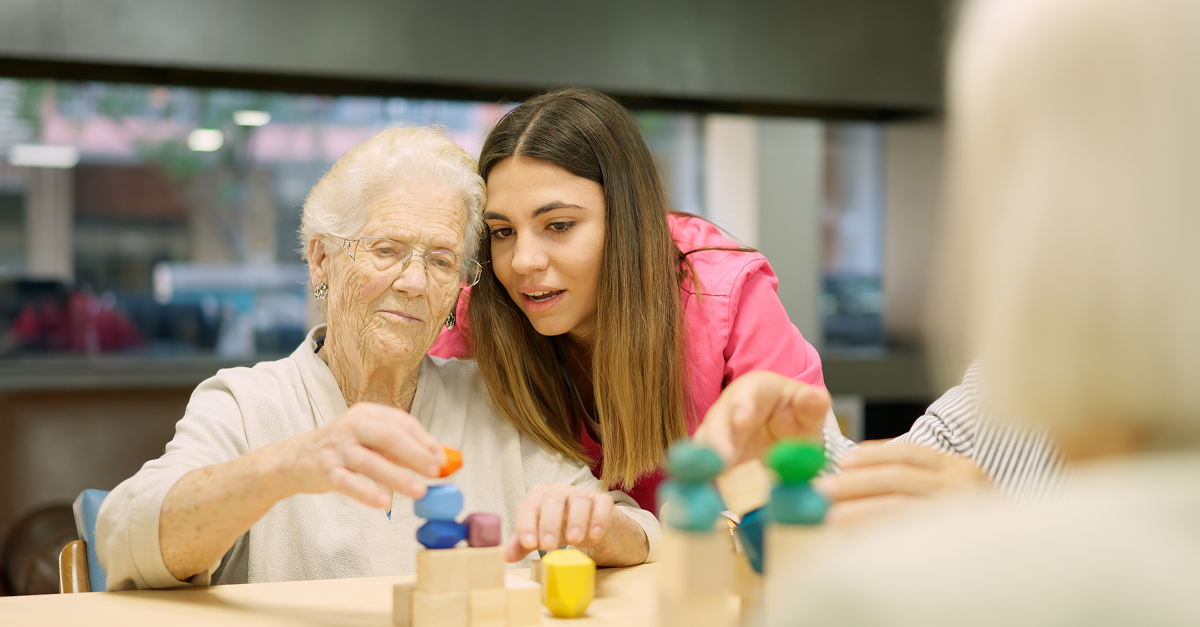
Do something they love. Music they recognize, a familiar meal, photos, a hobby that still works for them. These activities don't just fill the time — they extend and deepen the good day by activating emotional memory and sensory connection.
Say what feels important to say. If there's something you've been wanting to express — love, gratitude, a memory you want to share — a good day is a good time. Simple and direct is often best.
Don't try to hold on too tight. Good days end, and when they do it can feel like a loss all over again. The families who navigate this most effectively are the ones who can appreciate a good day for what it is — real, meaningful, and complete — without needing it to be a sign that things are turning around.
Lucid episodes and what they mean
Some good days involve what researchers call lucid episodes — moments of unexpected clarity and connection in someone whose dementia has progressed significantly. A person who hasn't spoken clearly in weeks may suddenly call a family member by name, or engage in conversation that feels like the person they used to be.
These moments are real and documented. Researchers don't fully understand why they happen — proposed explanations involve temporary changes in brain signaling — but they are not wishful thinking.
In later stages of dementia, an extended lucid episode can sometimes indicate that a person is nearing the end of their life — what hospice workers call terminal lucidity. If you're uncertain whether what you're seeing fits this pattern, contact your loved one's care team. In any case, the guidance is the same: be present, follow their lead, say what feels important, and don't make major decisions based on the episode alone.
When your loved one is in senior living
One of the hardest parts of having a loved one in memory care is not knowing when the good days are happening. If you're not there, you may miss them. When communities keep families genuinely informed about daily life — who was engaged, who had a good morning, what activities went well — families can show up with context and intention. That's part of what Caily exists to support.
Caily helps families stay genuinely connected to a loved one's daily life in senior living — so you know when the good days are happening and can show up for them. Learn more at caily.com.