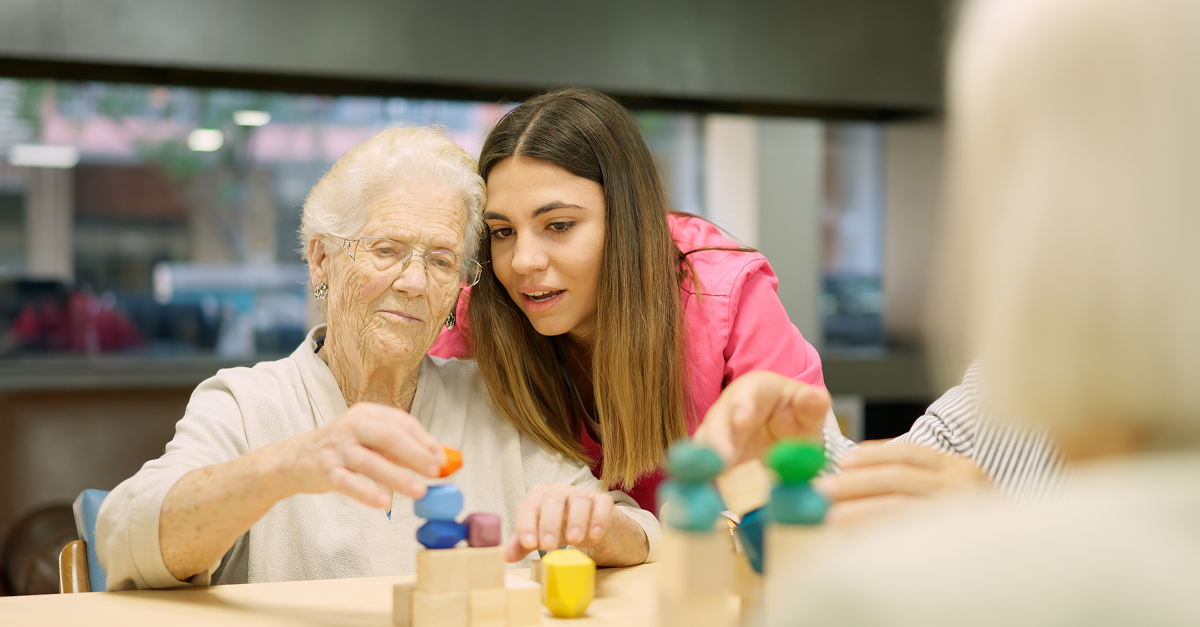
What It Means to Age with Purpose — and How Families Can Help

Purpose isn't something that fades with age. Research shows it may be one of the most important things an older adult can have.
This Friday is National Senior Citizens Day — a day to recognize and celebrate older adults, and to think about what we actually want aging to look like for the people we love.
Not just managed. Not just safe. But meaningful.
There's a growing body of research on purpose and aging that points to something most families sense intuitively: older adults who feel their life has meaning do better. They're physically healthier. They're cognitively sharper. They live longer. A Harvard study found that a sense of purpose is associated with better grip strength, faster walking speed, and greater physical functioning — measures that directly affect independence and quality of life.
Purpose isn't a luxury. It's a health variable.
What purpose looks like in later life
Purpose in older adulthood doesn't always look the way it did at 45. It tends to show up in smaller, more relational forms — and that's not a diminishment.
Contribution — mentoring, volunteering, passing on skills or knowledge. As people age, psychologists note a shift from achievement toward generativity: a desire to support younger generations and leave something behind. This can be as simple as teaching a grandchild to cook, or being the person in a senior living community who makes new residents feel welcome.
Connection — relationships that feel reciprocal. Not just being cared for, but caring for others. Older adults who feel needed are demonstrably different from those who feel like a burden.
Routine and engagement — a sense of structure and things to look forward to. This sounds modest but it matters enormously, especially during transitions like a move to senior living or a significant health change.
Continuity of identity — the sense that who they are hasn't been erased by what they're going through. A lifelong gardener who can still tend a container garden. A former teacher who is asked for their opinion. A person whose history is known and valued.
What families can do
Ask about what matters, not just what's needed
A lot of family caregiving is organized around deficits — what a parent can no longer do, what help they need, what risks to manage. This is necessary. It's also incomplete. "What are you looking forward to this week?" opens a different conversation — one that treats a parent as a person with an interior life, not just a care recipient.
Support the activities that matter to them, not the ones that are easiest
When a loved one's world shrinks, it often shrinks around what's convenient. The book club gets dropped because transportation is complicated. The weekly lunch with a friend stops because it requires too much coordination. These losses compound quietly. Helping a parent maintain the activities that genuinely matter — even when it takes effort — is one of the most meaningful things a family can do.
Make sure their community knows who they are
Staff who know a resident's history, sense of humor, and preferences provide better care and more purposeful engagement. Families who share that context, and who stay genuinely connected to their loved one's daily life, help make that possible. This is part of what family communication tools in senior living are designed to support: not just logistics, but the kind of ongoing connection that keeps a person's identity visible and valued.
Celebrate who they are, not just what they've survived
National Senior Citizens Day is a good prompt. Not a party with a banner — though that's fine too — but a genuine acknowledgment of a person's contributions, their history, the things they've built and shaped and loved. Older adults who feel seen and valued by their families age differently than those who feel like a problem to be managed.
That's not a small thing. It might be the whole thing.
Caily helps families stay genuinely connected to a loved one's daily life in senior living — so their story stays visible, and their sense of purpose stays supported. Learn more at caily.com.