
Why Resident Experience Is the Heart of Senior Living
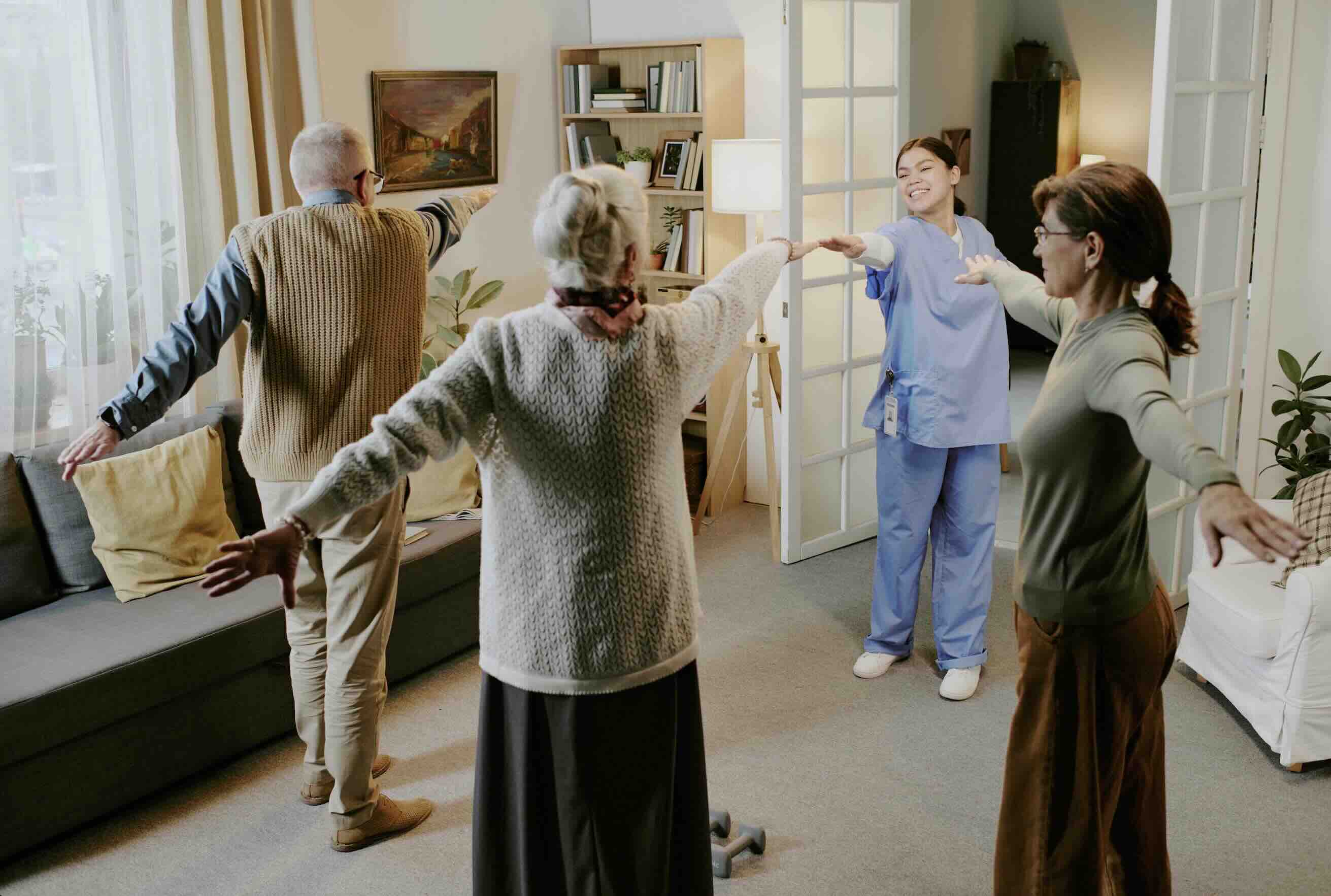
There's a question that sits quietly underneath almost every conversation in senior living, whether it's a family touring a community for the first time or an operator reviewing satisfaction scores at the end of the quarter: Are residents actually thriving here, or are they simply being managed? The difference between those two outcomes is resident experience, and it matters more than most communities give it credit for.
Resident experience in senior living isn't a buzzword or a marketing promise. It's the sum of every interaction, every routine, every preference honored or overlooked, every time a caregiver walks into a room knowing exactly what that person needs before they have to ask. When it's done well, residents feel known. When it isn't, they feel like residents of a facility rather than members of a community. And that gap has consequences, for health outcomes, for family trust, and for the long-term success of the community itself.
The senior living landscape is shifting quickly. Incoming baby boomers and Gen X residents are arriving with different expectations than generations before them. They want to co-create their experience, not simply be scheduled into one. They're receptive to wellness-forward, personalized programming, and they're less willing to accept cookie-cutter care. Meeting that shift requires more than updated amenities, it requires a fundamental rethinking of how communities learn about, document, and consistently deliver experiences that reflect who each resident actually is.
Why Resident Experience Directly Impacts Business Outcomes
It's easy to frame resident experience as the right thing to do, and it is, but it's also a measurable driver of business performance. Residents who are highly engaged and highly satisfied are less likely to move out, which keeps retention strong. They're also more likely to refer friends and family, which fuels occupancy in a way that no marketing campaign can replicate. Word-of-mouth remains the most powerful tool in senior living, and it flows naturally when residents feel valued, heard, and genuinely at home.
Research has connected personalized, technology-enabled engagement to nearly six months of additional resident length of stay — a figure that carries serious financial weight for any operator. Communities that invest in resident experience aren't just doing right by the people in their care; they're building a more stable and sustainable operation. High satisfaction also functions as a buffer against reputation damage. Problems happen in every community, but residents who feel genuinely cared for are far more forgiving, and effective service recovery can actually deepen loyalty rather than erode it.
The connection between resident experience and occupancy runs in both directions. Happy residents stay longer, and they bring others in behind them. Unhappy residents move out quietly, or loudly, and both outcomes ripple outward.
Personalization Means More Than Diet and Allergies
Most senior living communities do a reasonable job documenting clinical needs at move-in. Dietary restrictions get noted. Medication schedules get loaded into the system. Fall risk assessments get completed. But genuine personalization in senior living requires going much deeper than that, into the parts of a person's life and identity that no clinical form thinks to ask about.
Who was this person before they moved in? What career defined their sense of purpose for decades? What's their relationship with mornings, do they rise early with intention, or do they need a slow, quiet start before they're ready to engage with the world? Do they prefer the energy of a group activity or the quiet satisfaction of doing something on their own? What music puts them at ease? What does a good day actually feel like for them?
These aren't soft, optional details. They are the blueprint for delivering a resident experience that feels like care rather than service. Some communities have started capturing this information through a "Let Us Get To Know You" form completed before move-in, gathering details about past professions, hobbies, cultural background, and personal aspirations. Staff then use that information to curate programming and daily interactions that feel genuinely tailored. That approach works, and it works because the preference data is collected intentionally, shared across the team, and treated as living information that gets updated as the resident changes.
What to Document Beyond the Clinical Basics
A comprehensive preference profile for each resident should cover the rhythm and texture of their daily life, not just their medical history. That means capturing their preferred wake time and morning routine, how they like to spend their afternoons, whether they identify as spiritual or religious and in what ways, what their relationship with social interaction looks like, are they energized by people or do they recharge in quiet? It also means understanding their communication preferences, the names and relationships they hold closest, and the small sensory details that make their environment feel right, from the temperature of their room to the kind of music that plays in the background.
Personalized care plans that incorporate this kind of depth, covering physical, emotional, social, and psychological needs, produce measurably better outcomes. Residents report higher satisfaction, a stronger sense of independence, and greater emotional stability when their care genuinely aligns with their preferences and routines. A one-size-fits-all approach, even a comfortable one, quietly erodes a resident's sense of self. Personalization protects it.
Routines as Identity, Not Just Structure
When people think about daily routines in senior living, they often think of schedules, meal times, activity blocks, and medication rounds. Structure matters, and it genuinely benefits residents, particularly those experiencing cognitive decline. But routines are more than an operational convenience. For older adults, a routine that reflects who they are is an act of dignity.
A resident who spent forty years rising before dawn and reading the news over coffee doesn't stop being that person because they moved into a senior living community. A resident who napped every afternoon after lunch and found that ritual restorative has a real need for that time to remain protected. When communities build daily routines around the individual's natural rhythm rather than the facility's operational defaults, residents feel seen in a way that no amenity can replicate. They wake up, move through their day, and settle in at night in patterns that feel like their life, not like an institution's schedule imposed on it.
This matters enormously in memory care, where routine isn't just comforting but therapeutic. Predictable daily rhythms give residents with cognitive decline familiar anchors that reduce confusion, lower stress, and minimize behavioral symptoms like agitation and restlessness. When the brain doesn't have to constantly interpret new information, it frees up cognitive and emotional space for connection, for recognition, and for moments of genuine joy. Consistent routines in memory care settings are among the most effective tools available, and they cost nothing beyond intentional planning.
Routines Also Build the Relationships That Make Care Work
A well-structured daily routine does something else that often goes unnoticed: it creates natural, repeated opportunities for caregivers and residents to actually know each other. The morning care routine, the shared walk after breakfast, the afternoon activity that's always on Tuesday — these recurring moments are where trust gets built. Caregivers who show up consistently for the same routines with the same residents develop an intuitive understanding of that person's baseline. They notice when something is off. They catch health changes early. They know when a resident is having a harder day before that resident has the words or the clarity to express it.
That kind of attunement isn't possible when routines are rushed or inconsistent. It develops through repetition, familiarity, and time, which is exactly why routine and relationship are so deeply connected in senior living.
The Staff Consistency Problem — and How to Solve It
Personalized routines and detailed preference profiles are only useful if every caregiver who walks through a resident's door actually knows them. This is where resident experience tends to break down in communities that have the right intentions but not the right systems. Senior living operates with rotating shifts, part-time staff, agency fills, and significant turnover — with 69% of senior living executives citing staff retention as a primary concern for their organizations. Every staff change is a potential gap in the continuity of the resident experience.
The answer isn't simply trying harder. It's building systems that make consistency possible regardless of who's on shift.
Building Systems That Carry Resident Knowledge Across Every Shift
Preference profiles need to live somewhere accessible, not in a binder at the nursing station, not in the memory of the staff member who did the intake interview, but in a shared, centralized platform that every team member can pull up before they walk into a resident's room. Shift handoffs should surface key personal details alongside clinical updates. If Mrs. Torres has a slow, quiet morning every day and finds being rushed deeply unsettling, the night shift staff handing off to the days should be passing that on, not just vital signs.
Consistent caregiver assignments make a meaningful difference where they're operationally possible. When the same staff members work with the same residents day after day, the knowledge gaps close naturally. Residents who recognize familiar faces feel more secure, more willing to communicate, and less anxious about the help they need. Caregivers who know their residents well are better positioned to notice changes in mood, appetite, sleep, or behavior, early signals that often precede clinical events. Communities with stable, consistent care teams report better resident outcomes, higher family satisfaction, and lower staff turnover, because caregiving that feels meaningful attracts people who stay.
Onboarding is another leverage point that most communities underuse. Training new hires on who residents are, their histories, preferences, and routines, should be as much a part of orientation as clinical protocols. A caregiver who knows that Mr. Henderson was a jazz musician for thirty years will approach that relationship differently from day one.
Personalization Starts Before Move-In Day
One of the most important shifts a senior living community can make is starting the personalization process before a resident ever arrives. The sales conversation is already capturing emotional and personal information, what the family is worried about, what the prospective resident values, and what they're hoping life will look like in the community. That information shouldn't stop at the sales team. It should flow directly into the care team, the life enrichment team, and the CRM system that will follow this resident throughout their stay.
Communities that treat move-in as the starting point for getting to know a resident are already behind. The best experiences begin with the first conversation and build continuously from there, deepening as staff learn more and as the resident evolves. A care plan that's created once and filed away isn't a personalized care plan; it's a starting draft. Regular reviews involving the resident and their family, along with ongoing feedback loops that invite input and visibly act on it, are what transform a document into a lived experience.
Senior living resident experience, done right, is a continuous practice. It's not a program you launch or a form you complete at intake. It's a culture that decides, every day, that the people in its care are worth knowing, fully, specifically, and by name.
What Thriving Actually Looks Like
The communities that get resident experience right share something in common: they've stopped treating personalization as an enhancement to standard care and started treating it as the foundation of everything else. Their staff know residents as people before they know them as patients. Their routines are built around individual identity, not operational efficiency. Their systems make it impossible for a caregiver to walk into a room without knowing something real about the person they're about to serve.
sThe results show up in satisfaction scores and length-of-stay data, but they also show up in quieter ways, in the resident who participates in an activity they would have skipped, in the family member who stops worrying because they can see their loved one is actually happy, in the caregiver who comes back to the same job every day because the work feels like it means something. Resident experience in senior living isn't a metric to hit. It's a standard of care that recognizes, as its starting point, that every resident who walks through the door is a full human being and deserves to be treated like one every single day.
Frequently Asked Questions About Resident Experience in Senior Living
What does resident experience mean in senior living?
Resident experience in senior living refers to the overall quality of life a resident has within a community, shaped by how well their individual preferences, routines, and sense of identity are honored by the staff and programming around them. It encompasses everything from how care is delivered daily to how supported and known a resident feels within their environment.
How does personalized care improve resident outcomes?
Personalized care plans that account for a resident's daily routine, life history, and individual preferences have been shown to reduce anxiety, improve emotional well-being, and increase resident satisfaction — with research linking personalized engagement programs to significantly longer resident length of stay. When residents feel that their care reflects who they actually are, they engage more fully and experience a stronger sense of dignity and independence.
Why does staff consistency matter for resident experience?
Familiar caregivers who work consistently with the same residents develop a deeper understanding of their routines, preferences, and baseline health — which makes them faster to notice changes and better equipped to deliver care that feels personal rather than transactional. High staff turnover disrupts these relationships and creates gaps in continuity that residents, especially those with memory challenges, feel acutely.

Get Started Now
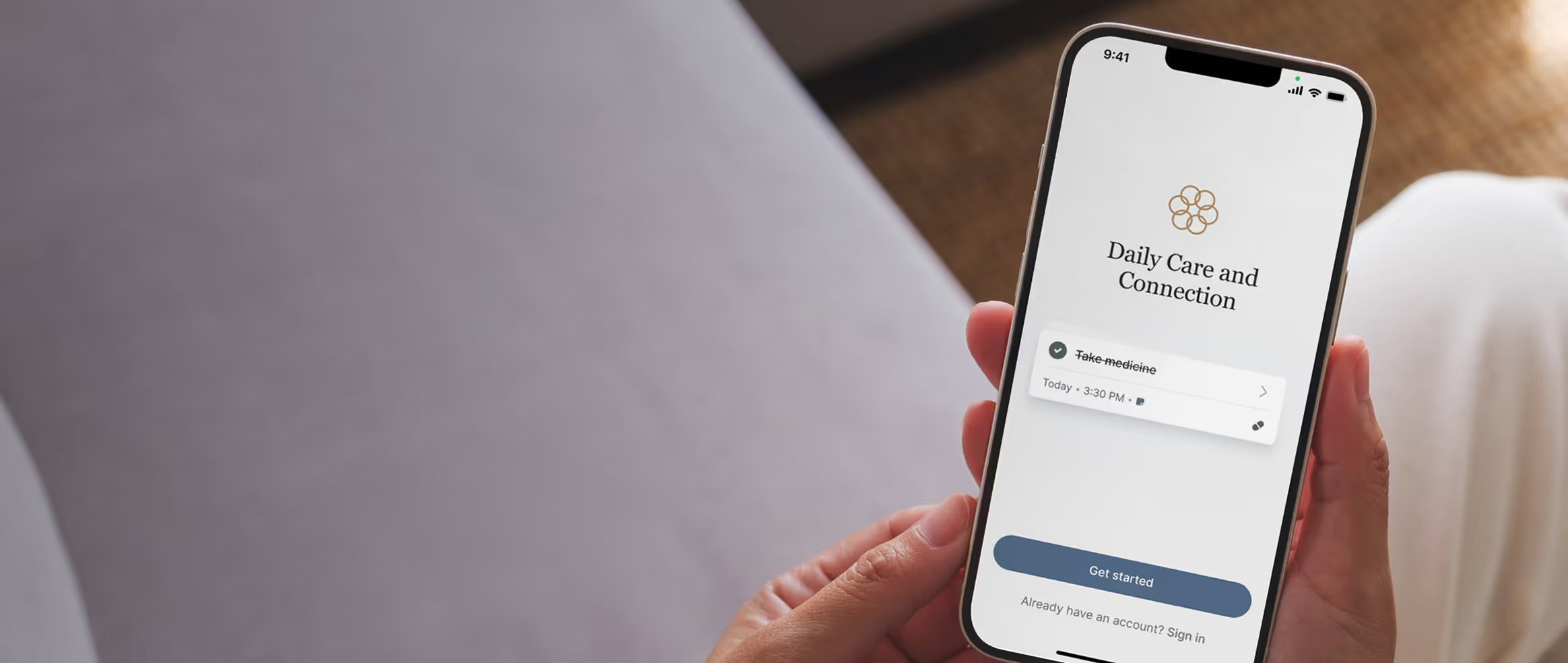
Enjoy full access to everything Caily offers, from medication tracking to shared schedules and daily check-ins. See how much easier caregiving can be when everything is coordinated in one place.
Start your free trial