
What Does a Home Health Aide Do?

When care needs start to show up at home, after a hospital stay, with a new diagnosis, or simply as daily routines become harder, many families begin looking for practical, steady support. That’s where a home health aide can make an everyday difference.
A home health aide helps people stay safe, comfortable, and supported in their own space. They often become a trusted, consistent presence for older adults, people living with disabilities, and individuals managing chronic illness. While the work is hands-on, it is also relationship-driven: small routines, check-ins, and reliable help can make aging in place feel possible.
It also helps to understand what a home health aide is and isn’t. Aides are not nurses, and they do not replace the role of family. Instead, they fill a crucial gap by supporting daily living needs and communicating observations to the broader care team when appropriate.
What Is a Home Health Aide?
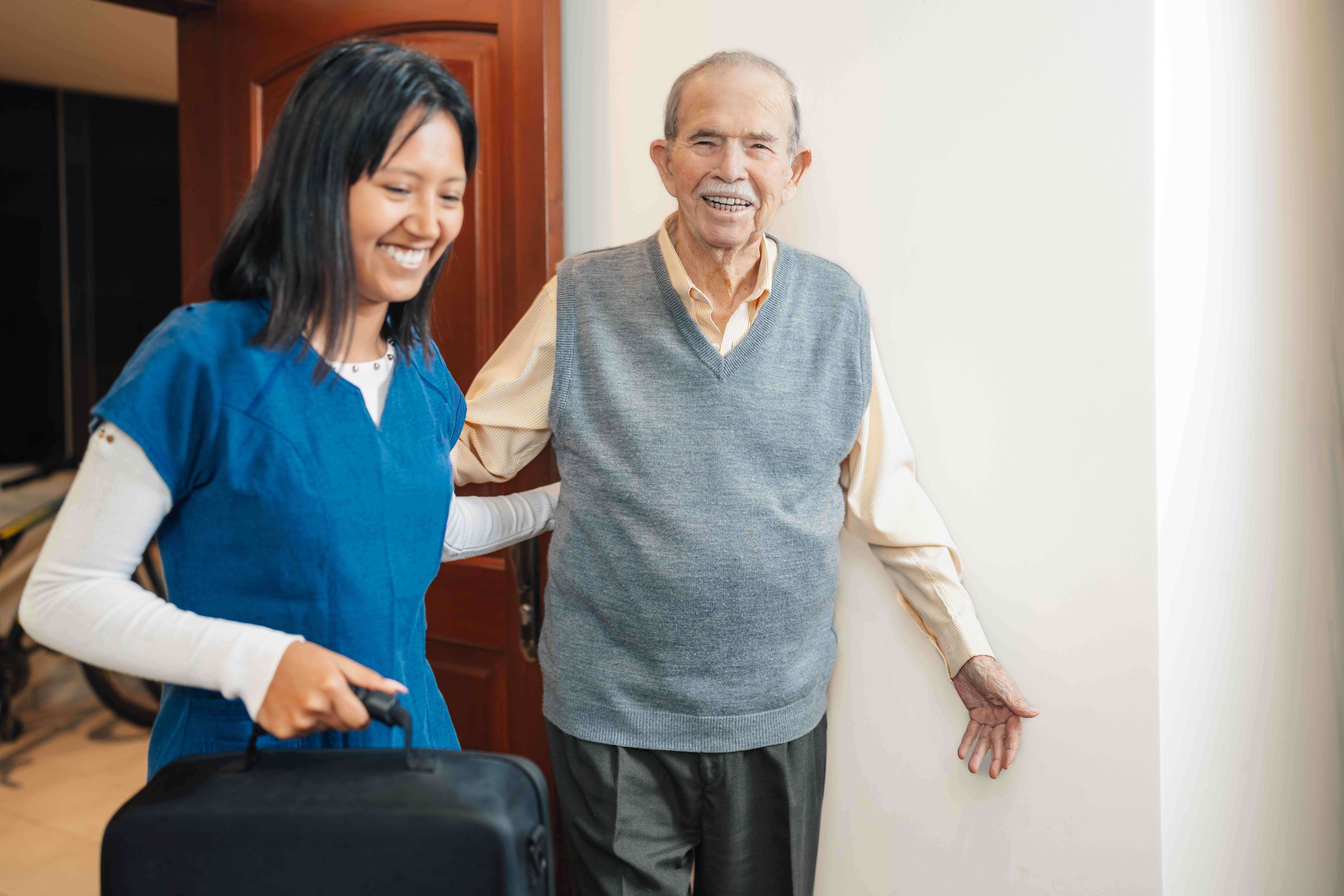
A home health aide is a trained caregiver who provides supportive services in a client’s home. The focus is usually on personal care, comfort, and day-to-day support—helping someone function safely and with dignity in familiar surroundings.
Many clients are older adults who want to remain at home, but aides also support people with disabilities, post-surgical recovery needs, cognitive decline, and chronic conditions like heart disease, diabetes, or COPD. The common thread is that the person needs help with daily tasks, not intensive medical care.
A home health aide may be hired privately, but many work through home health agencies or a home health agency that coordinate referrals, scheduling, and oversight. In those cases, an agency may match an aide based on availability, skills, language needs, and the level of care required.
What Does a Home Health Aide Do Day to Day?
Daily routines are where aides shine. If you’re asking, what does a home health aide do, the answer is: they help keep life moving in a way that feels manageable for the person receiving care and for the family supporting them.
A typical day depends on the care plan and the client’s needs. Some visits are short and focused, helping with bathing and dressing, while others involve several hours of support across personal care, meals, and companionship.
Personal care tasks are often the core of the role. A home health aide may help with bathing, grooming, oral care, toileting, and getting dressed. They can also provide mobility support, such as helping someone transfer safely from bed to chair, navigate stairs carefully, or use a walker correctly.
Many aides also assist with light household needs that directly impact health and safety. That can include tidying key areas, changing linens, doing a small load of laundry, or preparing simple meals that match dietary preferences and restrictions. The goal is not “housekeeping,” but keeping the environment supportive and reducing fall risks.
Companionship is another significant part of the work, even if it’s not listed on a checklist. Conversation, shared routines, and steady presence can reduce isolation and help people feel more secure at home. For some clients, emotional support is what makes them more willing to eat, move, or follow a routine.
Aides also observe and communicate. They may notice changes like swelling in the ankles, unusual fatigue, confusion, appetite changes, or mood shifts. Depending on the setting and scope, they may report concerns to a nurse supervisor, the family, or the home health agency. This “eyes and ears” role can help families catch small changes before they become bigger problems.
Home Health Aide vs Other Care Roles
It’s common to compare options when planning care. Understanding who does what can help families choose support that fits the situation, and avoid expecting the wrong type of care from the wrong role.
A home health aide and a CNA (Certified Nursing Assistant) can overlap in personal care tasks, but the setting and training can differ. CNAs often work in facilities like nursing homes or hospitals, though they can also provide home-based care in some cases. Aides are more commonly focused on in-home routines and supportive services.
A home health aide differs from a nurse. Nurses (RNs or LPNs/LVNs) provide skilled medical services like wound care, injections, assessments, medication management (depending on state rules), and clinical monitoring. Aides typically provide non-medical personal care and household support aligned with a care plan.
Family caregivers sit in a different category entirely. They may do everything from transportation to meal prep to emotional support, often while juggling work and other responsibilities. A home health aide can reduce strain and provide consistency, especially when family members can’t be there every day, or when care needs require physical help that’s difficult to do safely alone. In practice, the “best” option depends on the level of medical need, the budget, family availability, and the amount of day-to-day support required.
Home Health Aide Training and Certification Requirements
Because aides work closely with vulnerable people, home health aide training matters, training builds core skills in safe personal care, infection control, communication, and basic observation, so aides can provide reliable support without stepping outside their scope. Requirements vary. There are federal standards for aides working in Medicare-certified home health settings, and states may add their own rules on hours, topics, supervision, and competency evaluation. Some states require registry listing or certification, while others rely on agency-based training and verification.
Many programs cover essentials like bathing and grooming techniques, safe transfers, fall prevention basics, nutrition and meal planning support, privacy and dignity, and recognizing warning signs that should be reported. Training may also include professionalism, boundaries, and documentation. Background checks are also standard, especially when working through home health agencies. Some roles may require CPR or first-aid training. Continuing education can be part of the job too, particularly when an aide works with clients who have dementia, mobility challenges, or complex routines. If you’re a job seeker, asking about training pathways and whether a program aligns with your state’s requirements is a smart first step.
Home Health Aide Jobs: What to Expect
Home health aide jobs can look very different depending on where you work and what kind of clients you support. Some aides work short shifts with multiple clients a day, while others provide more extended visits for one person who needs more consistent help. Schedules can be flexible. Many home health aide jobs offer part-time, full-time, evenings, weekends, or live-in options, which appeal to people who need work that can fit around family or school. That flexibility can also be challenging when schedules change quickly due to hospitalizations, cancellations, or staffing shortages.
The role is emotionally and physically demanding. Aides may help with heavy transfers, repetitive movements, or long hours on their feet. Emotionally, it can be hard to see someone decline, manage complex family dynamics, or support clients through loneliness and loss of independence.
At the same time, many aides value the close relationships they build. Progress might look like small wins: a client feeling confident enough to shower, walking a little farther, or simply having a calmer day. The job outlook is often tied to a growing need for home-based support as the population ages and more families prefer aging in place. Availability can vary by region, but demand tends to be steady in many communities.
How Home Health Agencies Support Aides and Families
For many families, working with home health agencies offers structure and oversight that can be hard to create on your own. A home health agency typically helps coordinate care based on assessed needs and, in some cases, physician orders and insurance requirements. Aides may be scheduled and supervised through an agency, which can include nurse oversight, check-ins, and care plan updates. Agencies can also handle logistical tasks such as matching aides to clients, filling scheduling gaps, providing training refreshers, and supporting documentation.
Communication is a significant part of what agencies manage. Families may receive updates, report concerns, and request schedule changes through the home health agency rather than handling everything directly with the aide. When the system works well, this creates clarity: everyone knows who to call, what the plan is, and what changes need attention. Agencies may also coordinate with other providers, such as therapists, nurses, social workers, or primary care offices, depending on the care model and the services in place.
Challenges Home Health Aides Face
Home care is deeply human work, and it comes with real challenges. Burnout is a significant issue, especially when aides are stretched thin, asked to take on too many clients, or face emotional strain without enough support. Staffing shortages can create pressure for both aides and families. When schedules are tight, it can be harder to maintain consistency, and clients may see multiple aides in a short period. That can disrupt routines and make it harder to build trust.
Communication gaps are another common challenge. Families may assume an aide has been told something, like a diet change, new mobility restriction, or updated routine, when the message never made it through. On the other side, aides may notice changes but struggle to reach the right person quickly. That’s why organization and coordination matter in home care. Clear routines, updated information, and simple ways to share notes reduce confusion and help everyone focus on what matters: safe, respectful support.
Frequently Asked Questions About What Does a Home Health Aide Do? Roles, Training, and Career Path Explained
What does a home health aide do that family members cannot?
Family caregivers can do a lot, but a home health aide brings training, consistency, and a defined scope of work that can be hard to maintain long-term without help. Aides are often experienced with safe transfers, personal care routines, and recognizing changes that should be communicated. They can also provide regular coverage when family members work, live far away, or need a sustainable routine.
Do home health aides need formal training?
In many settings, yes—especially when working through Medicare-certified services or regulated programs. Home health aide training requirements vary by state and employer, but training commonly includes safe personal care, infection control, basic nutrition support, communication, and professionalism. A home health agency can often explain what training is required and what the onboarding process looks like.
Are home health aide jobs in demand?
In many areas, demand is strong because more people prefer aging in place and need help with daily living. Home health aide jobs can offer steady opportunities, especially for aides who build strong communication skills and reliability. Demand and pay vary by region, but workforce needs remain a major focus across home care.
How do home health agencies manage care?
Home health agencies typically manage scheduling, supervision, and communication between aides, families, and other providers. A home health agency may create or follow a care plan, provide training and oversight, and serve as the main point of contact when needs change. This structure can help families feel supported and reduce day-to-day coordination stress.


Get Started Now
Enjoy full access to everything Caily offers, from medication tracking to shared schedules and daily check-ins. See how much easier caregiving can be when everything is coordinated in one place.
Start your free trial