
How to Stay Grounded During Medical Emergencies in Nursing Communities
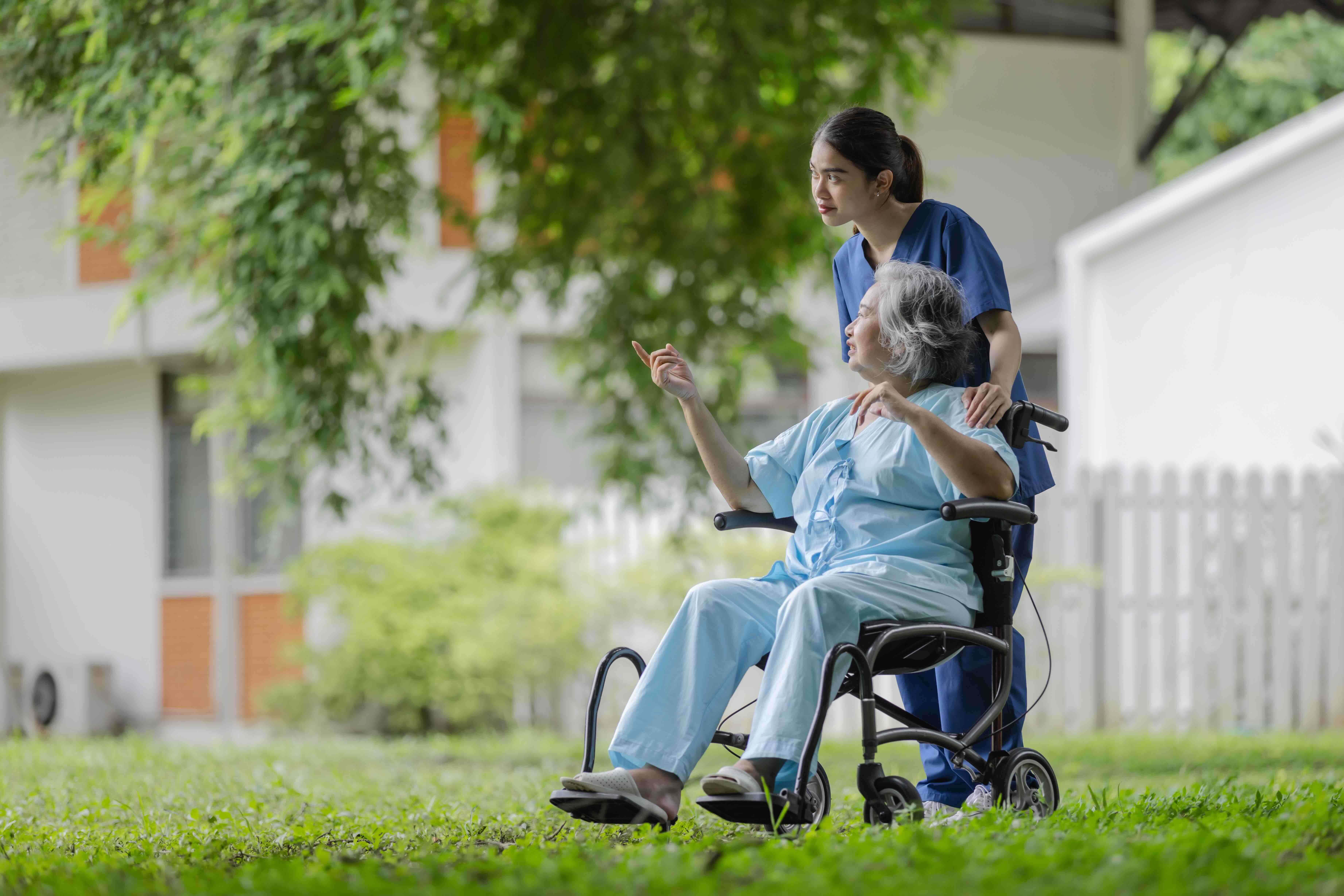
Medical emergencies have a way of cutting through everything else. Even when you know help is nearby, even when you trust the people involved, the moment can still feel overwhelming. Time feels distorted. Emotions rise quickly. Questions stack up faster than answers.
For families and caregivers connected to nursing communities, these moments can feel especially heavy. There is concern for a loved one’s safety, uncertainty about what’s happening behind the scenes, and a natural urge to want control in a situation that doesn’t offer much of it.
Staying grounded during medical emergencies is not about staying calm at all costs or suppressing fear. It’s about having systems, communication, and preparation in place so that when something unexpected happens, you’re not navigating it alone. This is where emergency preparedness plays a critical role, not just in outcomes, but in emotional steadiness, trust, and confidence.
What Medical Emergencies Look Like in Nursing Communities
Medical emergencies in nursing communities can take many forms. Some are sudden and visible, such as falls or breathing difficulties. Others are quieter but just as serious, like changes in mental status, chest discomfort, or signs of infection.
Unlike emergencies at home, nursing communities operate within a structured care environment. Staff are trained to recognize early warning signs, follow established response protocols, and escalate care quickly when needed. That structure is intentional. It allows emergencies to be handled efficiently, even when they don’t appear dramatic from the outside.
For families, this can sometimes feel confusing. An emergency response might not involve sirens or frantic movement, yet critical decisions are still being made in real time. Understanding that many emergencies are handled through practiced, methodical steps can help families interpret what they’re seeing, and what they’re notseeing, more clearly.
The Role of Emergency Preparedness in Nursing Communities
At the heart of effective emergency response is emergency preparedness. In nursing communities, preparedness is not a single plan tucked away in a binder. It’s an ongoing process that shapes how staff are trained, how information is shared, and how decisions are made under pressure.
Preparedness includes:
- Clear protocols for different types of medical events
- Regular staff training and refreshers
- Defined roles during emergencies
- Communication pathways for families and care teams
- Post-incident review and adjustment
When these elements are in place, emergencies are less chaotic, even when they’re serious. Staff know what to do next. Families receive clearer updates. And everyone involved has a shared understanding that a plan guides the response. Preparedness doesn’t eliminate fear, but it significantly reduces uncertainty. And uncertainty is often what fuels panic the most.
Staying Grounded in the Moment: What Helps When an Emergency Happens
When a medical emergency occurs, the body reacts before the mind can catch up. Heart rate increases. Thoughts race. Worst-case scenarios can surface almost instantly. This response is human, especially when someone you care about is involved. Staying grounded doesn’t mean ignoring these reactions. It means having tools to work through them.
One of the most effective grounding supports is knowing what to expect. When families understand that emergency preparedness systems are in place, they’re less likely to interpret silence or pauses as a lack of action. Instead, they can recognize that steps are unfolding in sequence.
In the moment, grounding can also come from:
- Focusing on what is known, not what is feared
- Asking clear, specific questions when appropriate
- Allowing space for updates to arrive rather than demanding instant certainty
- Remembering that trained professionals are actively responding
Preparedness helps families and caregivers shift from “what if?” to “what’s happening now?” That shift alone can significantly steady emotions.
How Nursing Communities Communicate During Medical Emergencies
Communication during a medical emergency is one of the most sensitive and important aspects of care. Families often want immediate answers, but emergencies unfold in real time, and clarity develops in stages.
Nursing communities that prioritize emergency preparedness build communication directly into their response plans. This includes determining who is responsible for contacting families, what information should be shared first, and how follow‑up updates will be provided. These decisions are made ahead of time so communication does not become reactive or inconsistent during stressful moments.
In many cases, initial communication focuses on reassurance and immediate actions rather than full explanations. Families may be told that their loved one is being evaluated, that additional medical support has been called, or that staff are actively monitoring the situation. More detailed updates typically follow once the situation stabilizes or more information becomes available.
This phased approach is intentional. Sharing incomplete information can increase anxiety rather than reduce it. Emergency preparedness allows care teams to balance timeliness with accuracy, offering families information that is clear, honest, and grounded. Strong communication also helps manage expectations. When families understand that updates may come in intervals, rather than all at once, they are less likely to interpret pauses as neglect or confusion. Over time, consistent communication builds trust, making future emergencies feel less destabilizing.
The Family’s Role in Emergency Preparedness
Families are an important part of emergency preparedness, even though they are not responsible for emergency response itself. Preparation before an emergency can significantly reduce stress when one occurs.
This includes keeping contact information current, understanding the community’s emergency policies, and discussing preferences ahead of time. When families know how communication will happen and what steps are typically taken, emergencies feel less sudden and less isolating.
Preparedness also creates partnership. When families and nursing communities share an understanding of emergency processes, conversations during stressful moments tend to be clearer, calmer, and more productive.
Emotional Aftermath: Staying Grounded After the Emergency Passes
The emotional impact of a medical emergency does not end once the immediate situation resolves. Families and caregivers often experience lingering anxiety, exhaustion, or uncertainty in the hours and days that follow.
Nursing communities that value preparedness often extend that mindset into follow‑up communication. This may include explaining what happened, outlining next steps, and addressing questions once emotions have settled.
For families, grounding after an emergency means allowing time to process without rushing to conclusions. It is normal for relief and worry to exist side by side. Clear follow‑up communication helps transform emotional residue into understanding and reassurance.
Building Long‑Term Resilience Through Preparedness
Emergency preparedness does more than guide individual responses — it builds long‑term resilience within nursing communities. Over time, repeated preparation, training, and reflection strengthen confidence for staff, residents, and families alike.
Resilience develops when people see that emergencies are handled consistently and thoughtfully. Each well‑managed event reinforces trust in the systems and the people behind them. Staff become more confident in their roles, families feel more secure in care decisions, and residents benefit from an environment that remains steady even during disruption.
Preparedness also encourages learning. After emergencies, communities often review what worked well and what could be improved. These reflections lead to adjustments that strengthen future responses. This cycle of preparation, response, and improvement transforms emergencies from purely stressful events into opportunities for growth.
Over time, this consistency changes how emergencies are perceived. Rather than moments of chaos, they become moments of coordinated care. That shift is the foundation of long‑term resilience, not eliminating emergencies, but meeting them with clarity, connection, and confidence.
Moving Forward with Confidence, Not Fear
Medical emergencies will always be challenging. They interrupt routines, raise difficult emotions, and remind us how vulnerable the people we care about can be. But they don’t have to feel chaotic or isolating. Emergency preparedness allows nursing communities, caregivers, and families to face these moments with a steadier footing. It turns fear into focus, uncertainty into structure, and reaction into response.
Staying grounded isn’t about controlling outcomes. It’s about knowing that when something unexpected happens, there is a plan, a team, and a shared commitment to care. That knowledge alone can make all the difference.
Frequently Asked Questions About Emergency Preparedness
What is emergency preparedness in nursing communities?
Emergency preparedness refers to the systems, training, and protocols nursing communities use to respond effectively to medical emergencies. It includes staff readiness, communication plans, and ongoing review to ensure safe, coordinated responses.
How do nursing communities handle medical emergencies?
Most nursing communities follow structured response plans that guide staff actions, escalation of care, and family communication. These plans help ensure emergencies are addressed quickly and consistently.
How can families stay calm during a medical emergency?
Understanding the community’s emergency preparedness approach, knowing what to expect from communication, and focusing on verified information can help families stay grounded during stressful moments.
How often do nursing communities review emergency plans?
Emergency preparedness is typically reviewed regularly through training, drills, and post-incident evaluations to ensure plans remain effective and up to date.
What questions should families ask about emergency preparedness?
Families may want to ask how emergencies are handled, who communicates updates, how follow-up care is managed, and how they can stay informed if they are not nearby.


Get Started Now
Enjoy full access to everything Caily offers, from medication tracking to shared schedules and daily check-ins. See how much easier caregiving can be when everything is coordinated in one place.
Start your free trial